
Paris nightlife experiences
After dark, Paris trades museums and parks for jazz cellars, candlelit bars, and long conversations.
Browse by nightlife options
1 von 1 Seiten


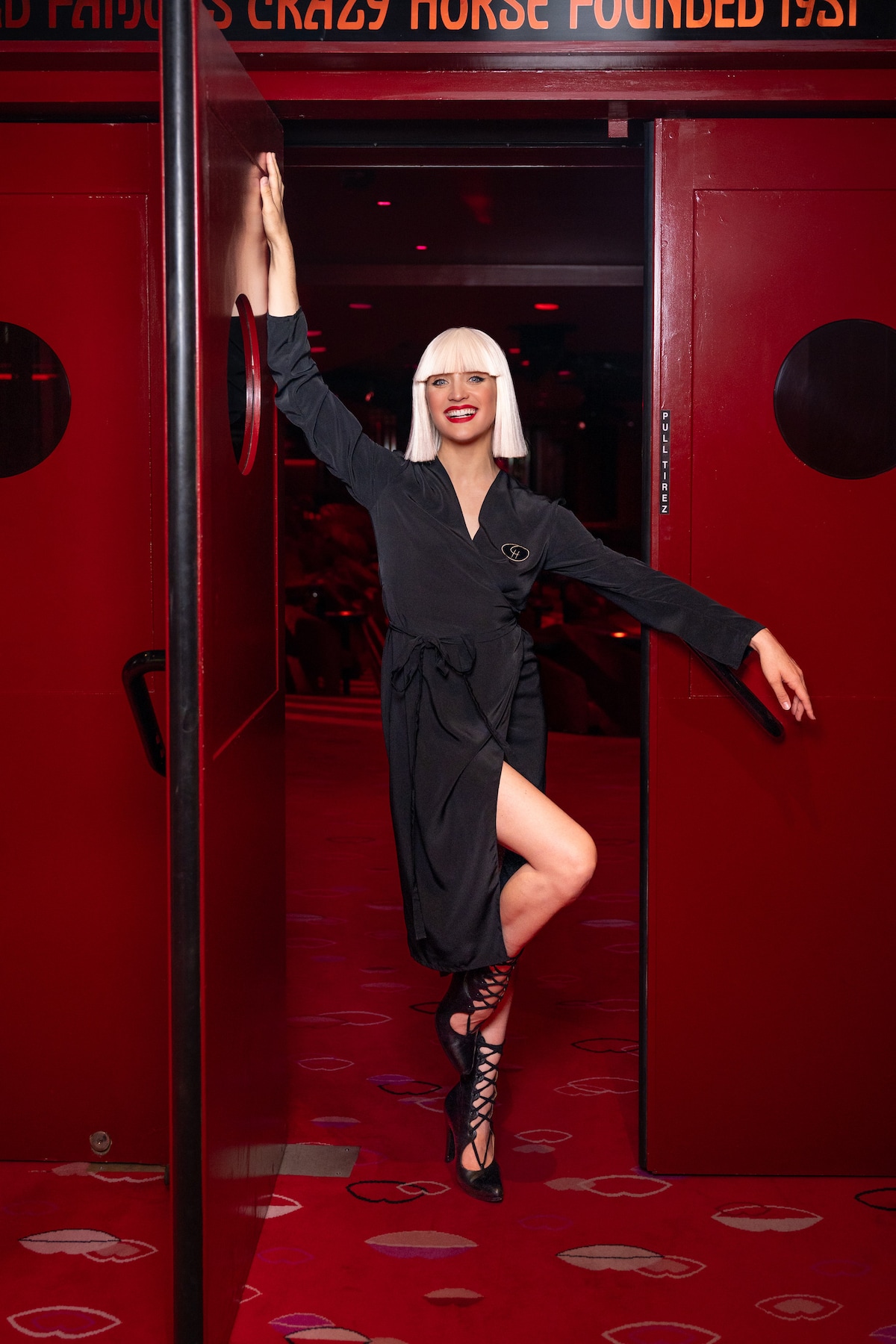
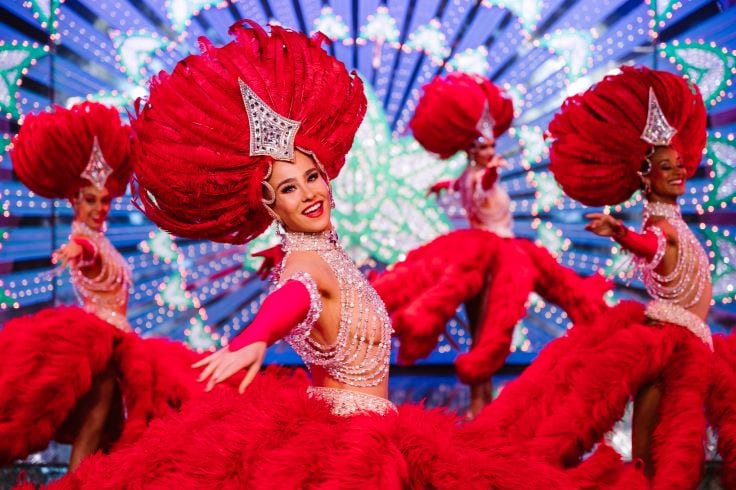
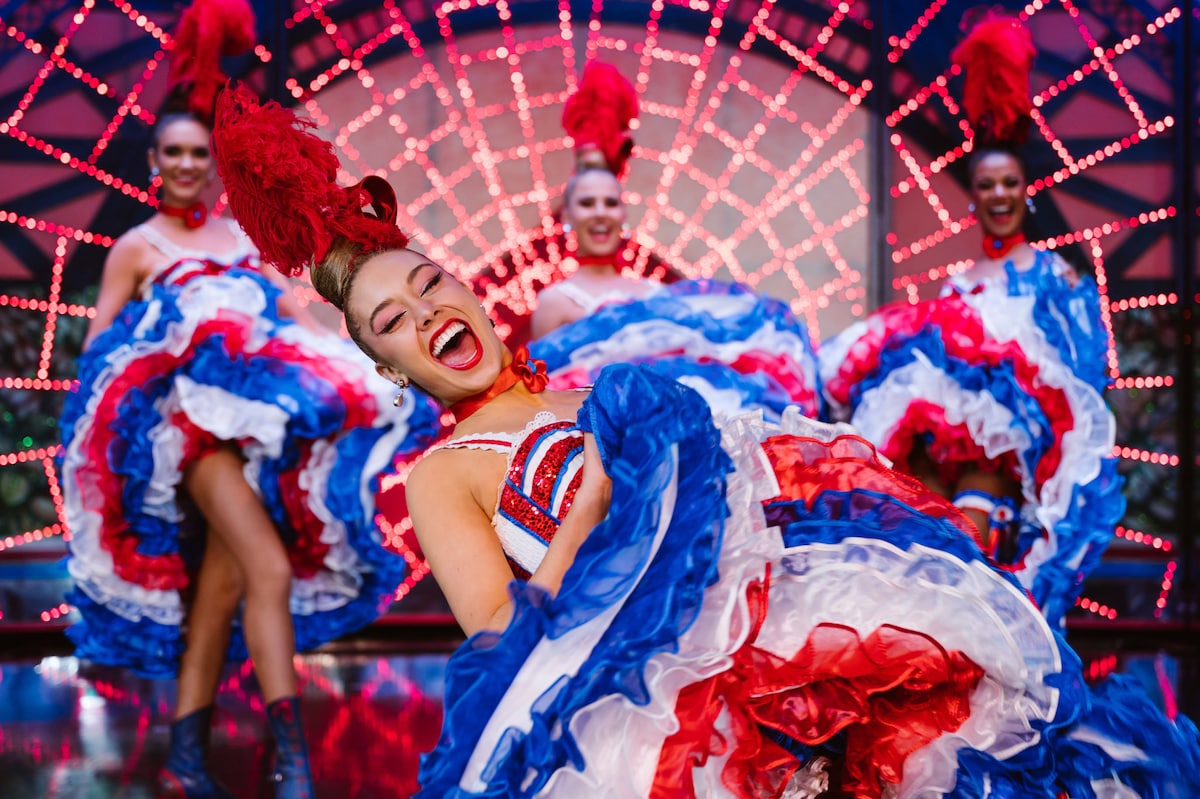
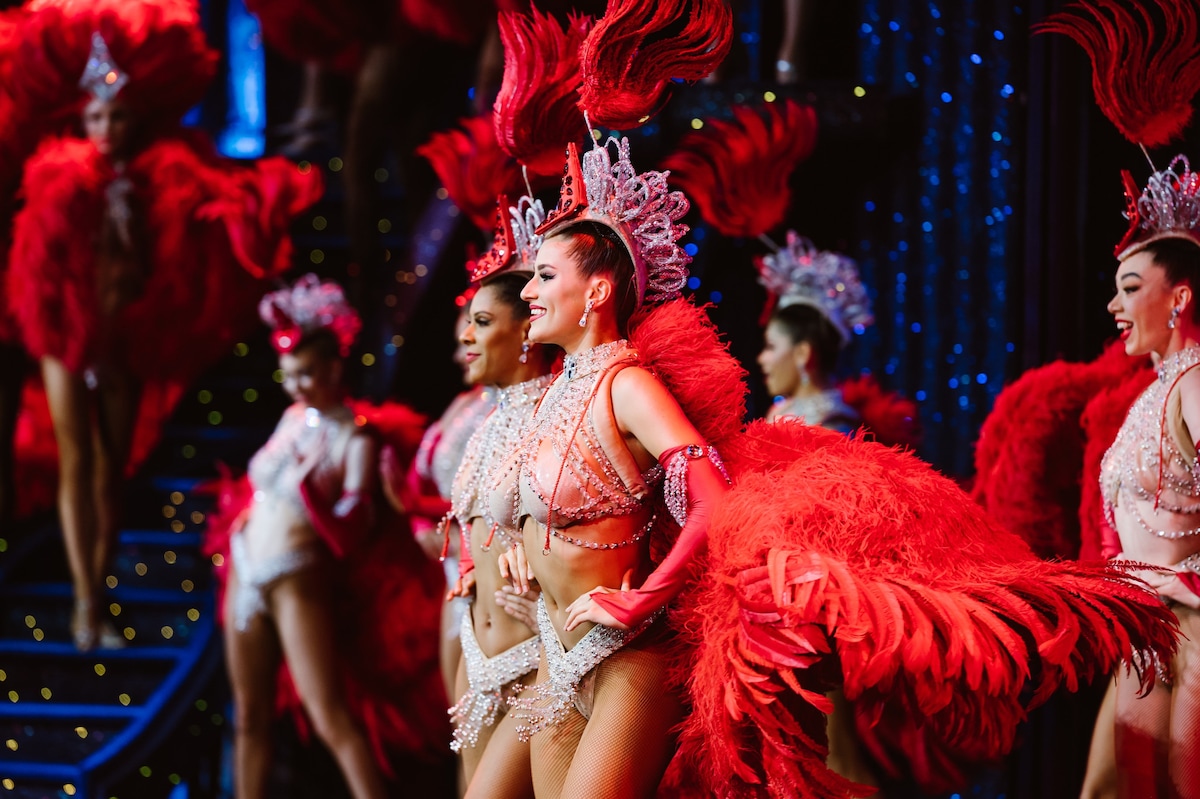
Cabaret experiences in Paris
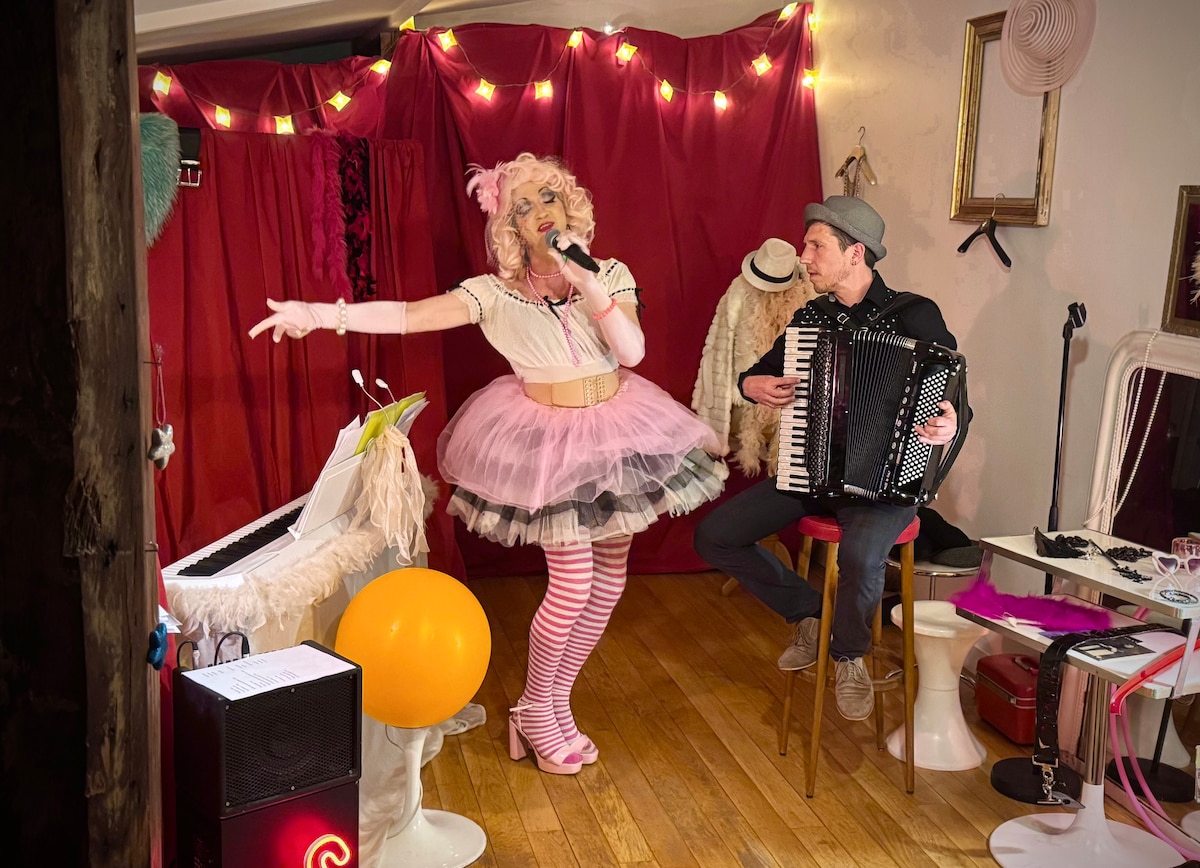
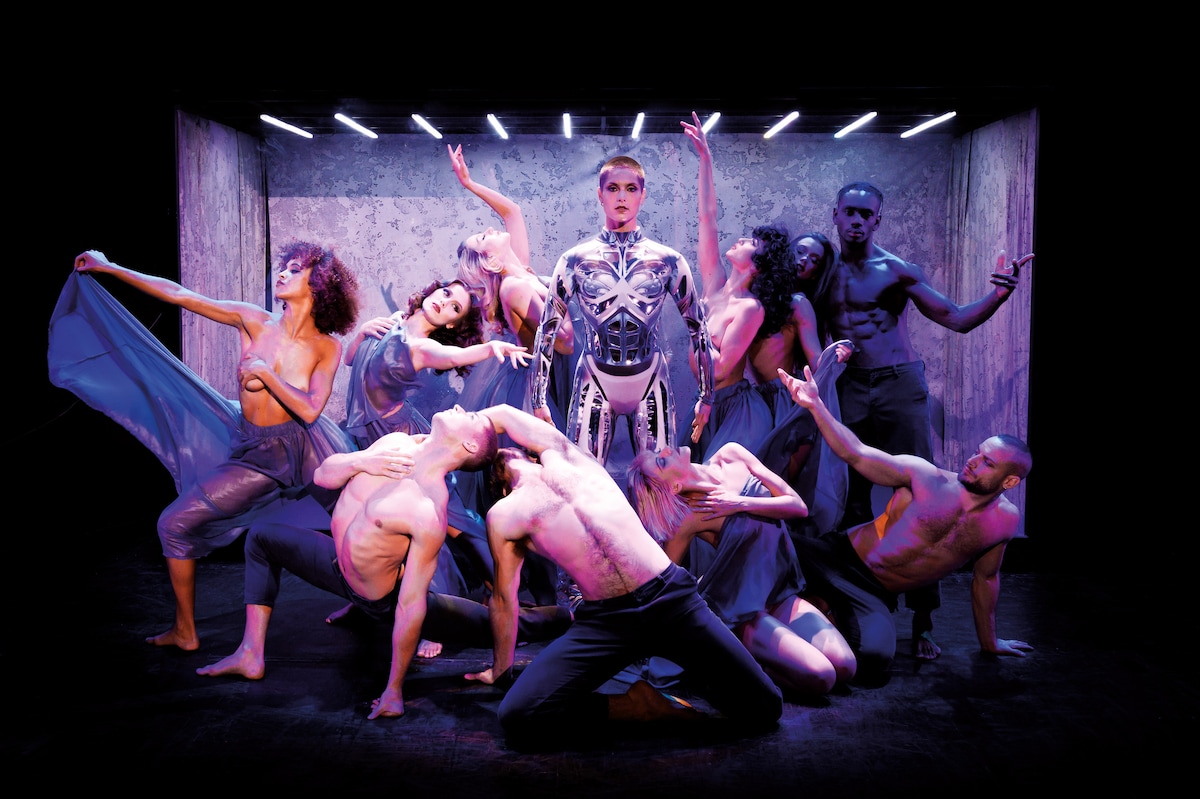
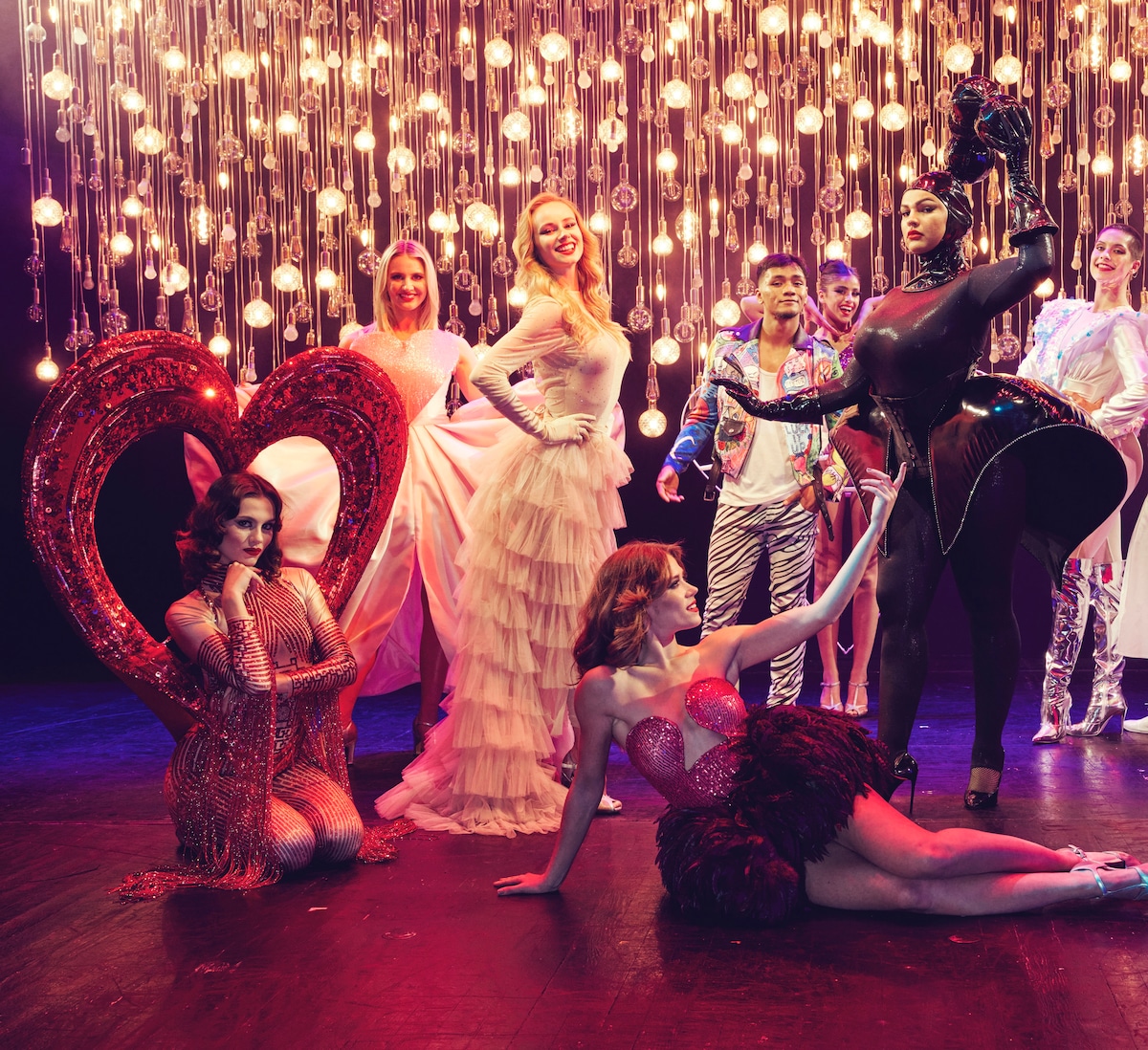
Step into a night of feathers, sequins, and old-world Parisian glamour.
1 von 1 Seiten

Bar crawl experiences in Paris
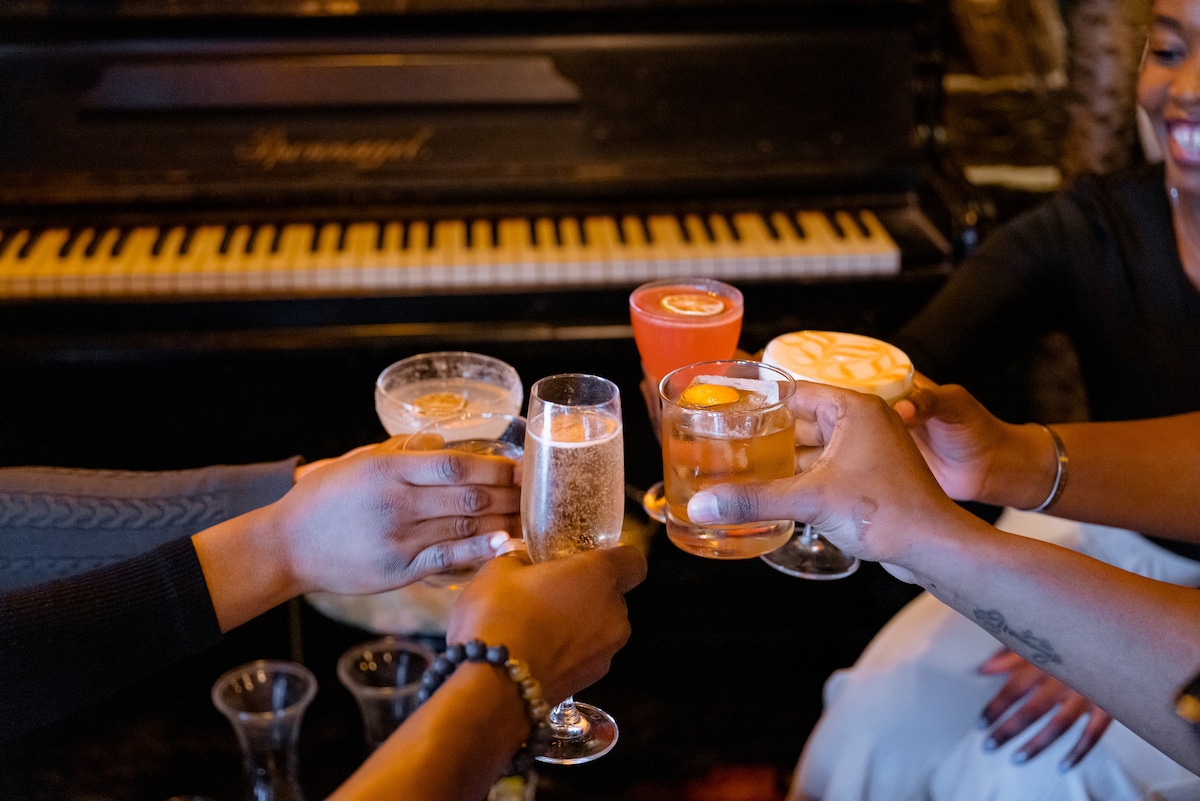
Hop from bar to bar and see the Paris night come to life.
1 von 1 Seiten


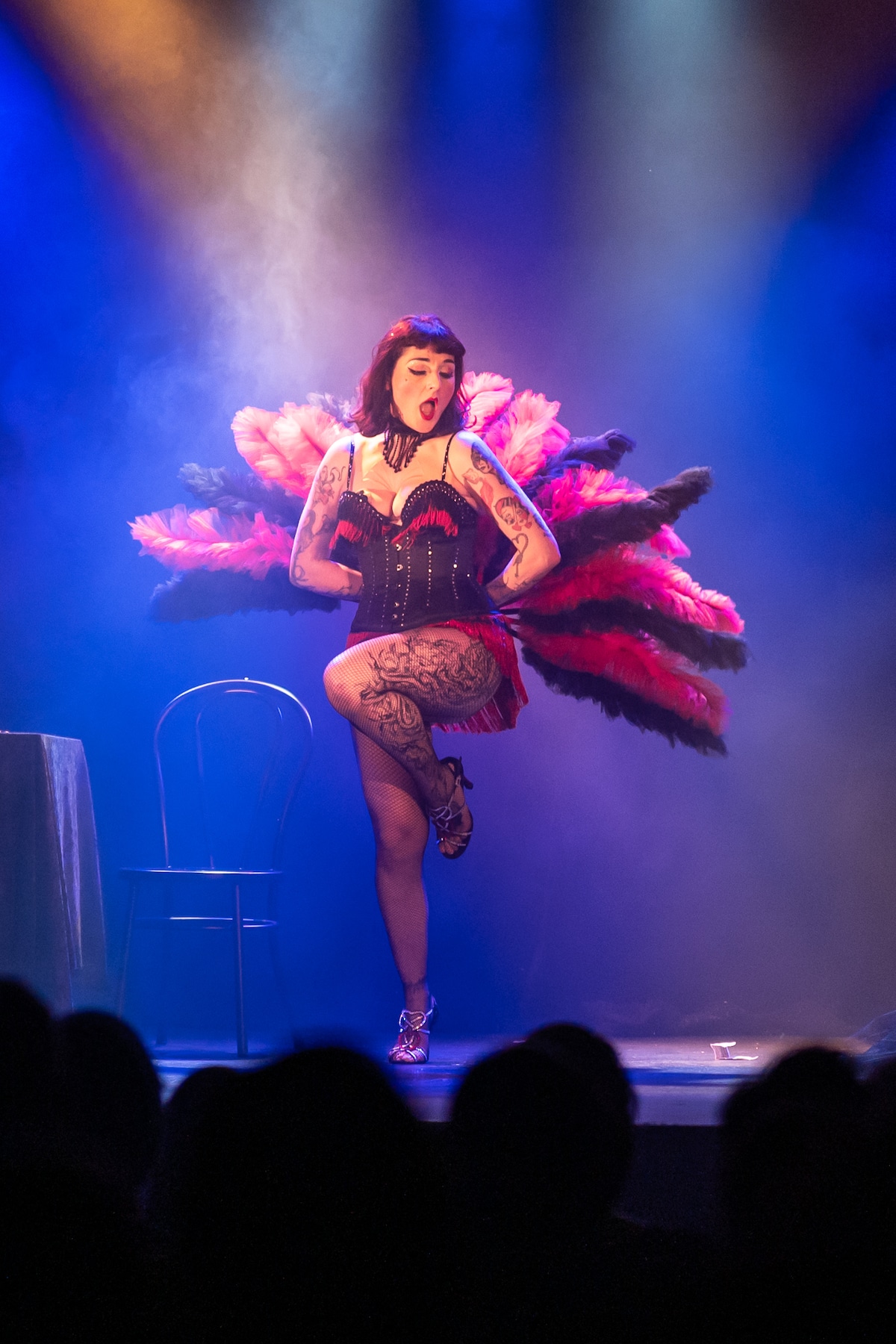
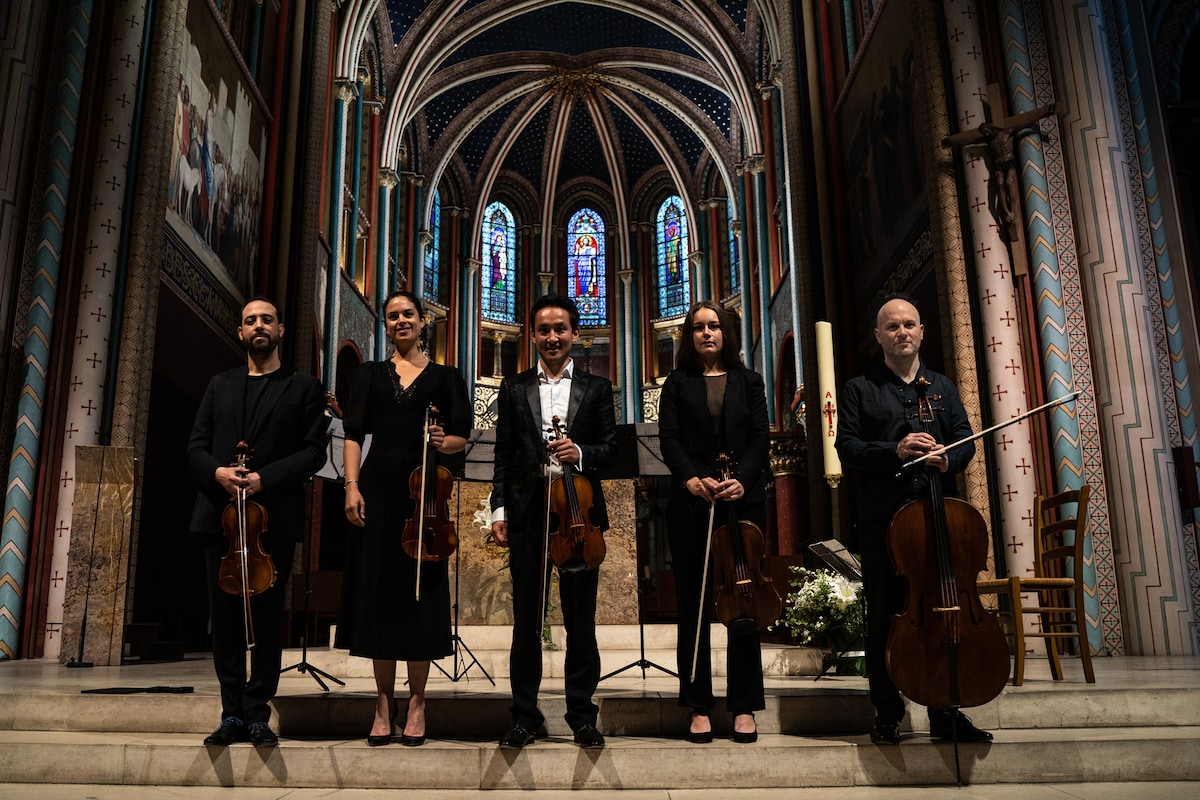
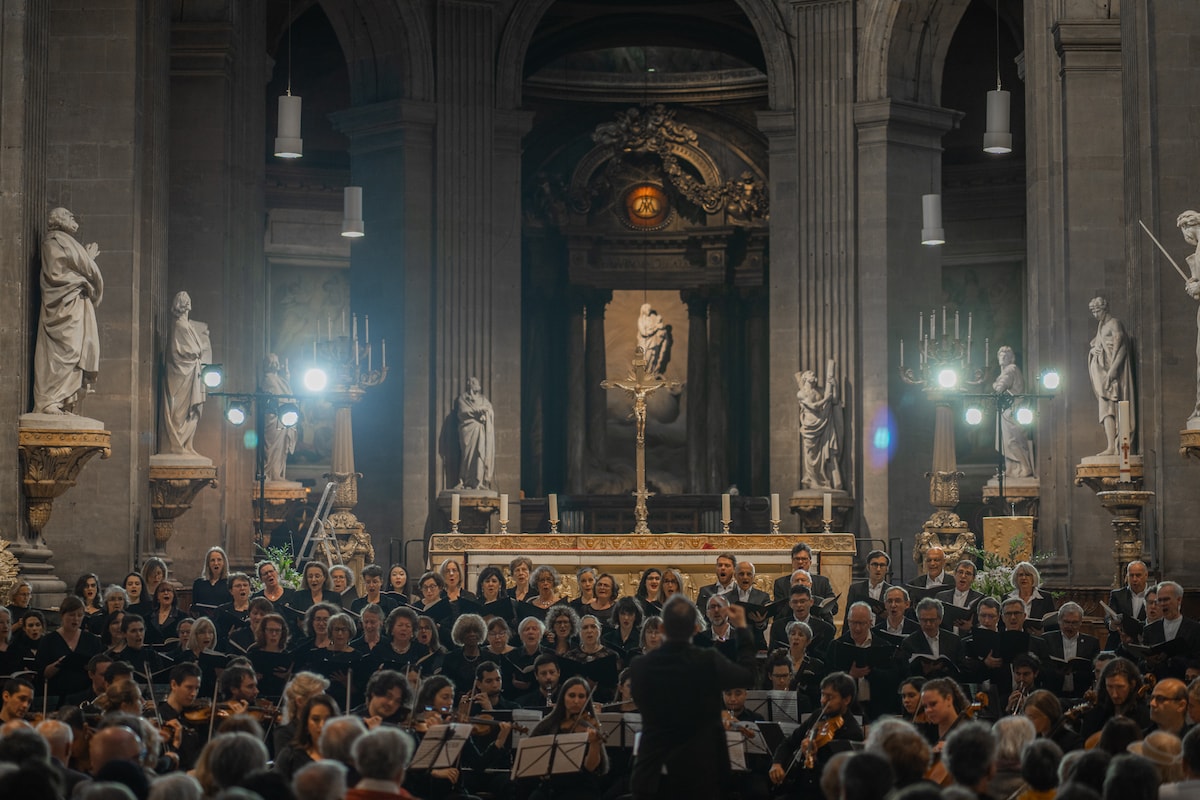
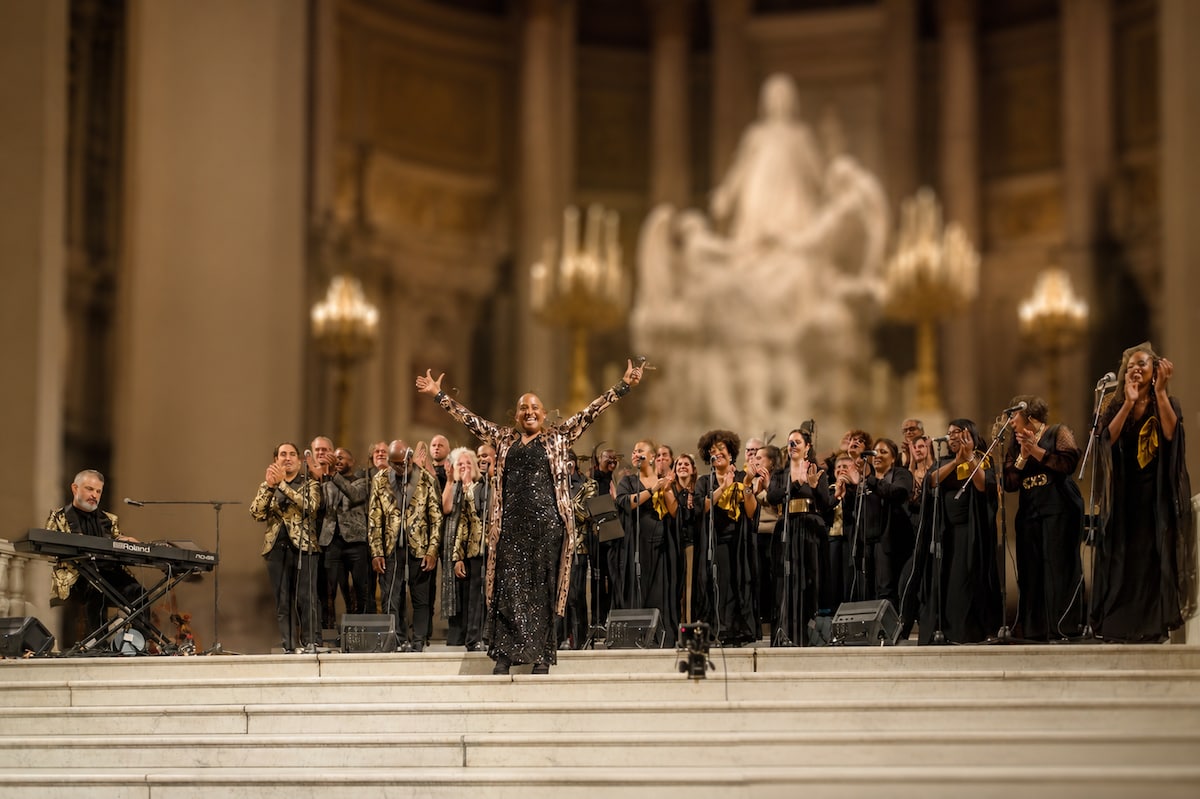
Performance experiences in Paris
Catch a live show, from intimate jazz cellars to the bright lights of the stage.
1 von 1 Seiten
Paris nightlife under $100
Explore budget-friendly nightlife in the city.
1 von 1 Seiten
Other popular nightlife experiences in Paris
Book the most-loved nightlife experiences in the city.
1 von 1 Seiten


About nightlife in Paris
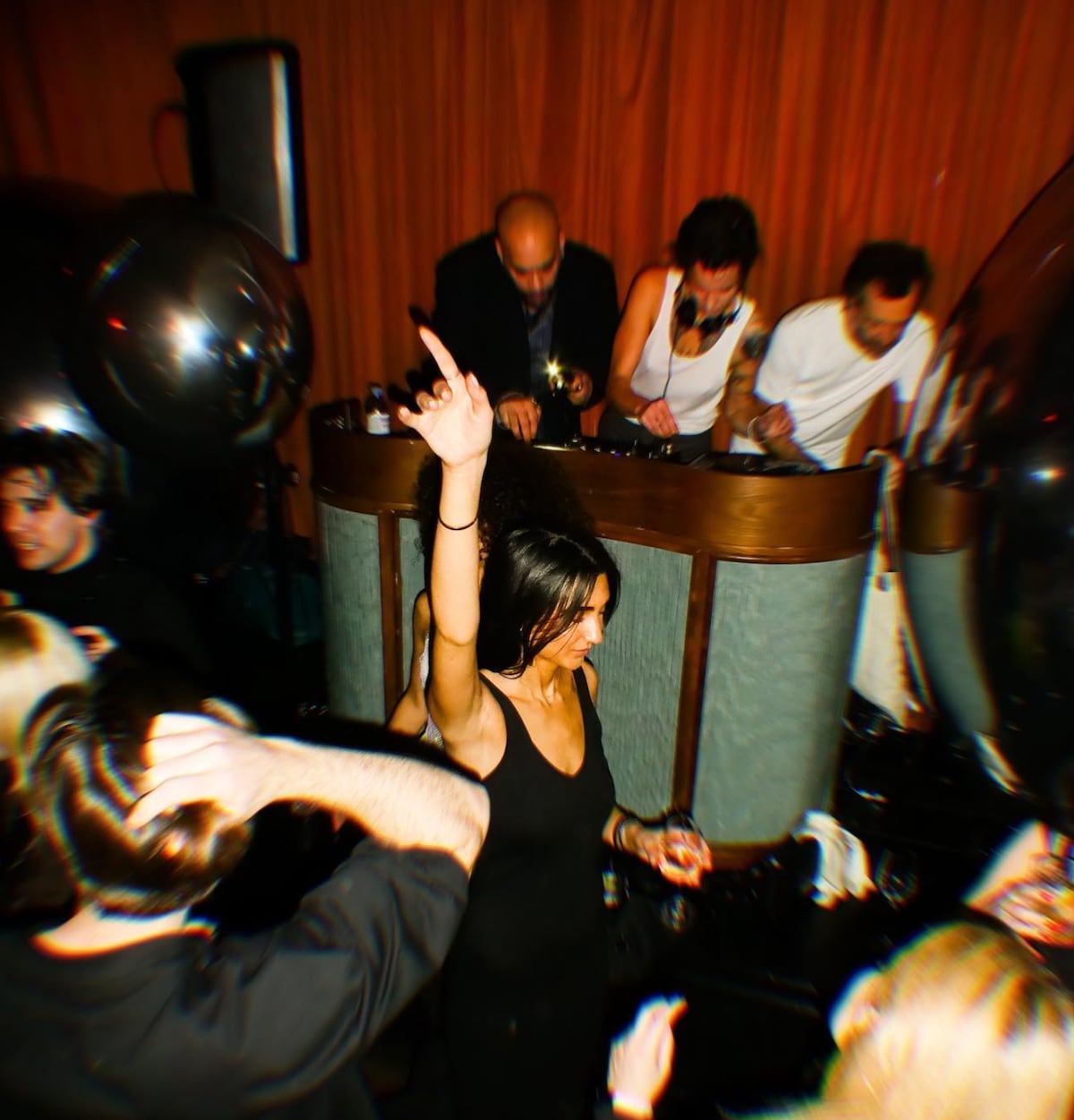
Paris nightlife unfolds in layers. Your night might start at a neighborhood bistro over wine, then move to a cocktail bar tucked behind a taqueria in Le Marais, before landing on a dance floor that won’t close until dawn. You’ll find the city’s after-dark energy across dozens of neighborhoods rather than in a single concentrated district. In Pigalle, live music venues and craft cocktails sit within a few blocks of legendary cabarets. Along Oberkampf, late-night bars stay open until 4:00 AM beside converted warehouses hosting electronic sets. Many of the jazz cellars in the Latin Quarter have kept their doors open since the 1940s. France officially recognizes nightclubs as cultural venues, and in Paris that designation feels earned. Every arrondissement offers its own version of a night out, shaped by the locals who keep it alive.
Top highlights for your visit

The Moulin Rouge and Pigalle
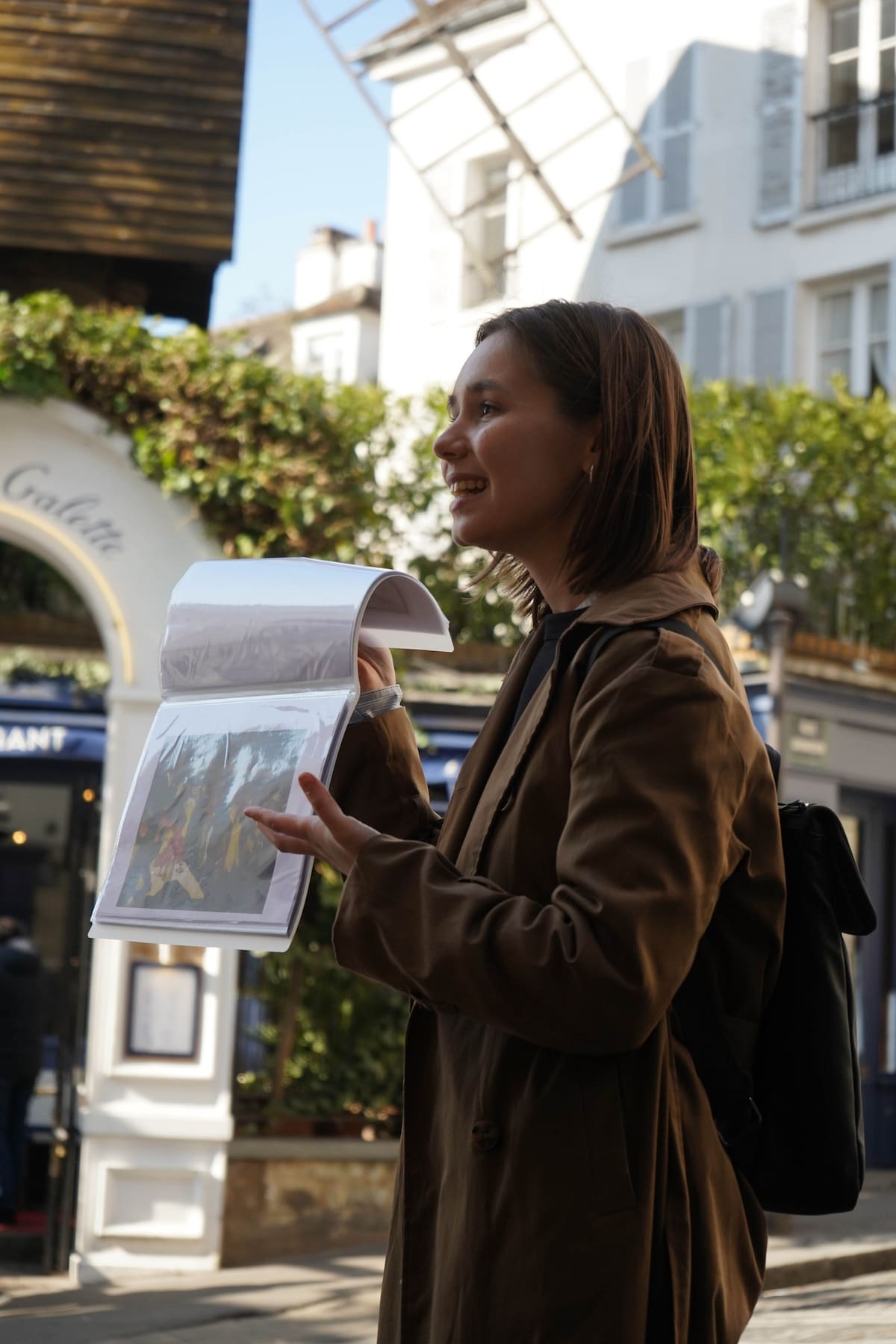
The birthplace of the modern can-can and a Paris icon, this legendary cabaret still dazzles beneath its red windmill. Around it, Pigalle has reinvented itself, with stylish modern clubs and bars filling the streets that surround the old stage.

Bastille and Oberkampf nights
These two neighboring districts are the heart of Paris’s alternative bar-club scene, known for accessible venues and a crowd that tends to arrive around 9:00 PM—before the late-night energy takes over.

Speakeasy cocktail bars
Some of the city’s best drinks hide behind unmarked doors and quiet facades, where bartenders craft cocktails worth seeking out. A guided bar crawl is the easiest way in, leading you to the hidden spots you'd walk right past on your own.

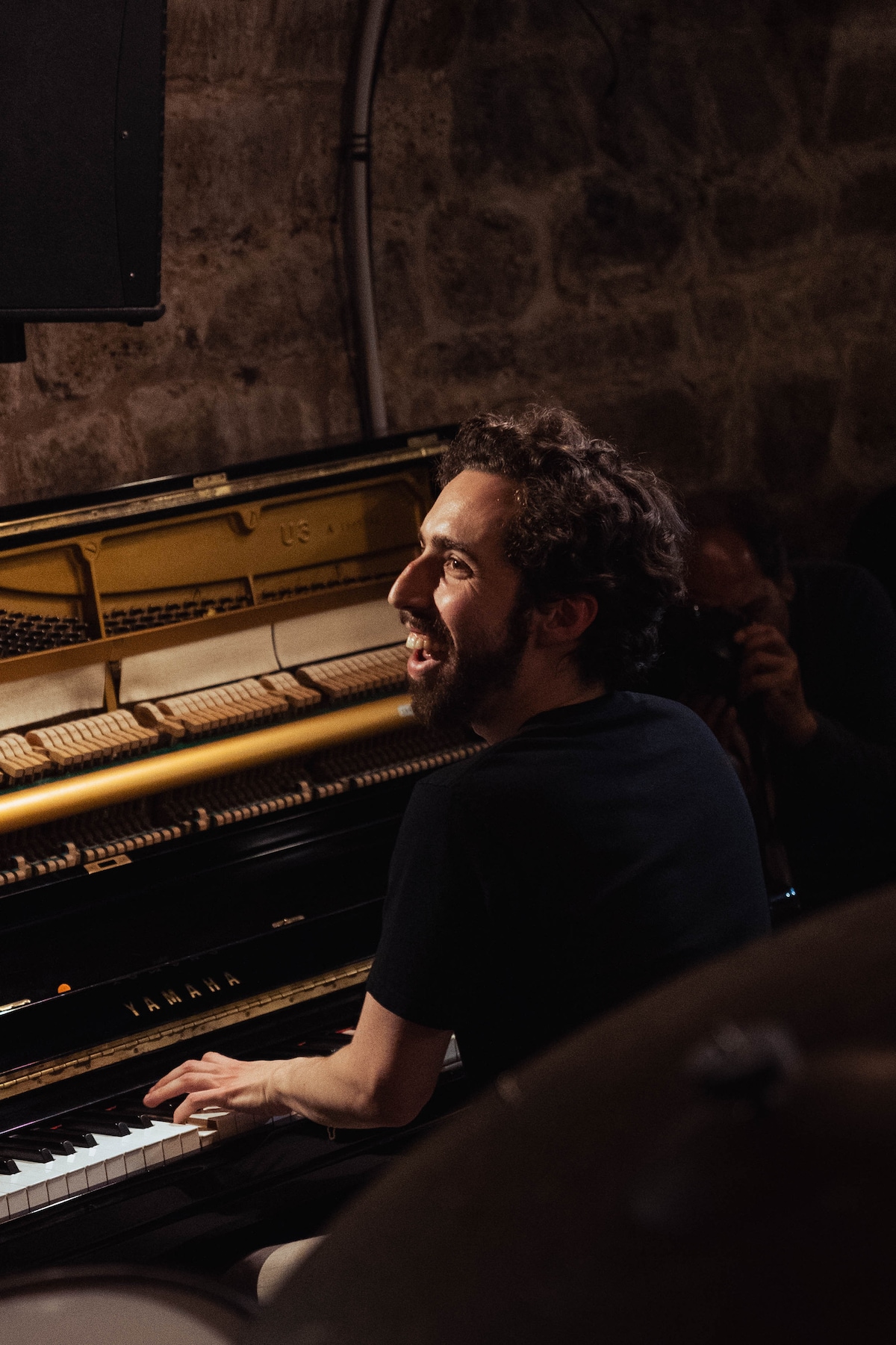
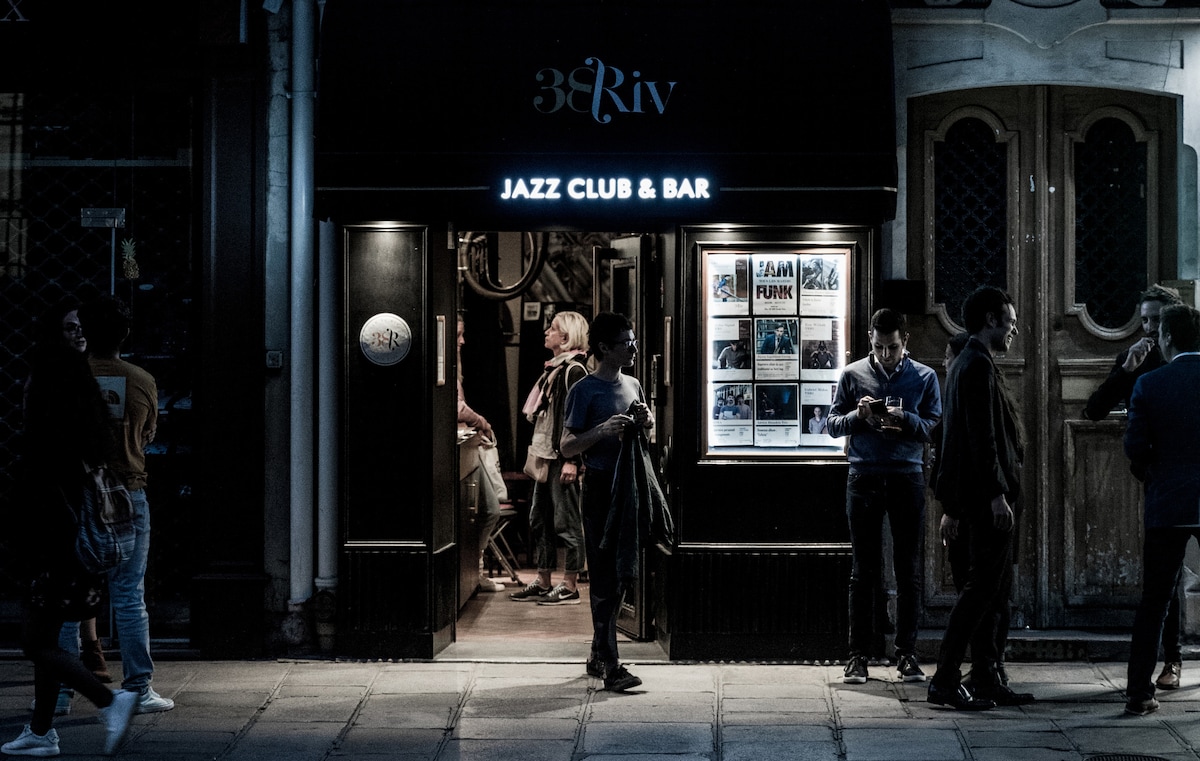
Underground jazz cellars
Paris has kept its jazz tradition alive since the postwar years, much of it tucked beneath the old streets. Descend into a candlelit cellar to watch live swing, bebop, and bossa nova with an intimate crowd.
Nightlife in Paris FAQs
Does Paris have good nightlife?
Absolutely. Paris nightlife has a character all its own, and there’s genuinely something for everyone. Whether you’re drawn to historic cabarets, cozy jazz cellars, or late-night electronic music clubs, the city comes alive after dark. Clubbing in Paris means stepping into a scene that’s vibrant, varied, and surprisingly welcoming, no matter what kind of night you’re looking for.
What are the best neighborhoods for nightlife in Paris?
The best Paris nightlife isn’t confined to just one area. Instead, it’s spread across several neighborhoods, each with its own distinct vibe. Bastille and Oberkampf boast a bustling bar and club scene that’s easy to explore on foot. Head toward Pigalle and Montmartre for historic cabarets and eclectic venues that have been drawing night owls for generations. If you’re looking for something a little more under-the-radar, Belleville is the place to go. Meanwhile, the Latin Quarter is popular among younger crowds, mostly due to its close proximity to the Sorbonne.
How do I get around Paris at night after the Metro closes?
Getting home after a late night out is easier than you might think. On weekends the Metro runs later, until around 1:30 AM. Once it stops, the Noctilien night bus network takes over until about 5:30 AM across the Ile-de-France region. Licensed taxis and ride-sharing apps are also widely available throughout the city if you’d prefer a direct ride back to your stay.
What is the dress code for going out in Paris?
It depends on where you’re headed, so it’s worth checking ahead. Parisian nightclubs can be selective, especially at the more popular clubs, so a sharp, put-together outfit really helps. Cabarets and upscale spots lean formal, with no shorts, flip-flops, or sportswear allowed, while clubs are more relaxed but still favor a stylish look over athletic wear. When in doubt, smart casual is a safe choice that works almost anywhere.
What time do nightclubs typically open and close in Paris?
Paris nightclubs tend to get started late. Most major clubs open around midnight, and spots like the Rex Club keep the energy going until 7:00 AM. If you’d rather ease into the evening, cocktail bars and jazz clubs are a great option, often opening by noon or early evening and winding down around 2:00 AM.
Do I need to buy tickets in advance for Paris clubs and cabarets?
For most venues, booking ahead is a smart move. It guarantees your entry and means you won’t spend your evening waiting in line. This is especially true for legendary cabaret venues like the Moulin Rouge, which tend to sell out well in advance thanks to their popularity with international visitors.
Are Paris nightlife venues accessible for travelers with reduced mobility?
Accessibility varies from place to place, particularly in older venues with historic architecture. That said, many spots are making real efforts to welcome everyone. The Moulin Rouge, for example, offers access for guests with reduced mobility and simply asks that you contact their reservations team in advance so they can make the right arrangements. It’s always worth reaching out to a venue directly before your visit, as some basement or cellar spaces may present challenges due to original stone stairs.
Can I bring a bag or backpack to a nightclub or cabaret?
Traveling light makes the whole experience smoother. Security checks are standard at most venues, and large backpacks or suitcases won’t be allowed inside. For smaller items like coats and purses, most clubs offer a paid cloakroom.
Things to know before about nightlife in Paris
Entry and dress code
- Book tickets online in advance to guarantee entry and avoid long queues.
- Cabaret shows like the Moulin Rouge require elegant, semi-formal attire.
- Entry to most nightclubs is restricted to guests 18+. Bring a valid physical ID.
What to bring
- Travel light. Large backpacks and suitcases are not allowed at most venues.
- Most clubs offer a paid cloakroom for coats and small bags.
- Carry a little cash for cover charges, cloakrooms, and certain bars.
Important information
- Photography is often prohibited at performances and cabaret shows.
- Expect bag checks and security screenings at most clubs and cabarets.
- Many venues offer access for guests with reduced mobility, so check ahead.